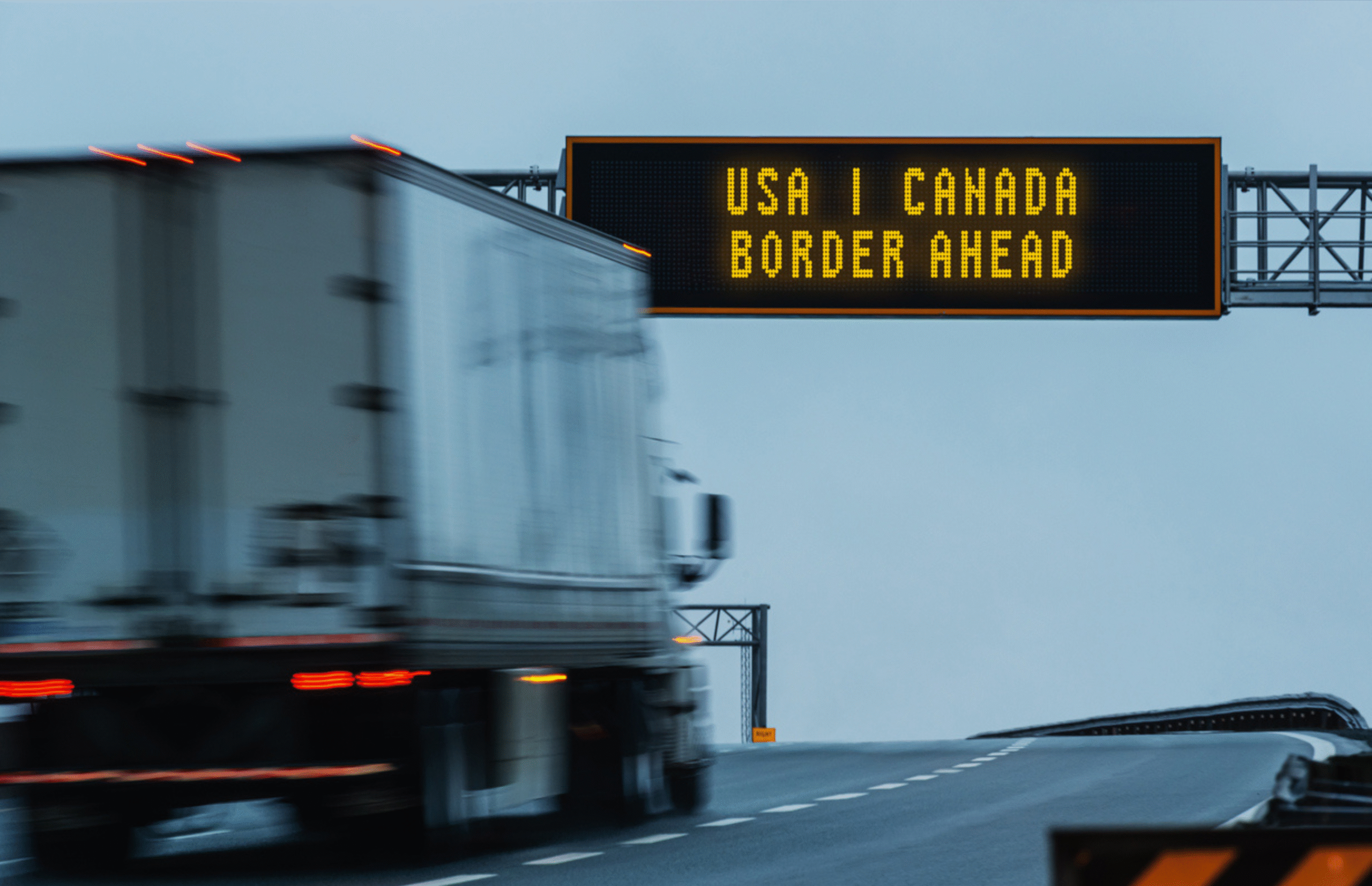
If you’re moving bulk materials between Canada and the U.S., you already know it’s not just another run down the highway. Cross-border hauling is its own world. The paperwork, the timing, the inspections, the customs delays — none of it is complicated on its own, but it all stacks up fast if you’re not prepared.
A lot of companies in Calgary, Edmonton, and even Vancouver rely on U.S. suppliers for ingredients or ship finished products across the border. And the truth is, bulk hauling across the U.S. line isn’t hard if everyone does their job properly. The issues usually come from small things that were overlooked.
Paperwork Isn’t Fun, but It’s Everything
Cross-border transport lives and dies on documentation. If something is missing, unclear, or doesn’t match the load, the truck isn’t going anywhere. Drivers get frustrated, customers get frustrated, and the whole day disappears waiting for clearance.
From an operations perspective, the smoothest runs happen when
• Bills of lading are accurate
• Product descriptions match customs codes
• Contact info is correct on both ends
• Border officers don’t have to guess what’s inside the trailer
It’s amazing how often delays happen because someone typed the wrong commodity description or missed a signature.
Food-Grade and Dry Bulk Are Scrutinized More Closely
If you’re hauling food-grade materials, powders, or anything that can be ingested, expect more questions. Border agents want to know where it came from, how it’s handled, and whether it meets standards on both sides.
It’s not about making life difficult. They’re just doing their job. But if your trailer is clean, documentation is solid, and your hauler knows the routine, the process moves quickly.
Dry bulk has its own challenges. Some products require additional declarations, and some are inspected more frequently. Experience matters here — there’s a big difference between a hauler who’s done a few cross-border runs and one who does it weekly.
Timing Matters More Than People Realize
Here’s something companies in Western Canada sometimes forget: border crossings don’t care about your schedule. You can’t just time everything perfectly and expect no delays.
Morning rush slows things down
Shift changes slow things down
Weather slows everything down
A random inspection slows everything down
And this applies in both directions.
If you’re sending loads from Calgary or Edmonton to the U.S., it’s worth building a little flexibility into your timelines. A good hauler will do that automatically because they’ve learned the hard way.
Loads Need to Be Properly Secured and Documented
Border officers don’t like surprises. They want a clean, sealed trailer, clear labels, and an honest description of the material. If anything is unclear, you get pulled into secondary inspection.
For bulk materials, especially powders or granules, officers want to confirm there’s no contamination risk and that the load matches the documentation. If it’s food-grade, they’ll often ask for cleaning logs or sanitation proof.
Most of the time, if your hauler keeps everything consistent, you breeze through.
Drivers Make or Break the Process
People underestimate how much driver experience matters at the border. A seasoned cross-border driver knows
• Which crossings are faster
• Which hours to avoid
• How to talk to officers
• What paperwork they’ll ask for
• How to handle a secondary inspection
• What not to say
You can feel the difference immediately. A confident, organized driver makes the entire process smoother for everyone.
Communication Between All Sides Is Key
One thing that’s become more obvious the past few years is that cross-border hauling is a three-way relationship:
The shipper, the receiver, and the carrier all need to communicate.
If any of those three don’t pick up the phone or don’t send the right paperwork, everything slows down. And once a load gets stuck at the border, it becomes everyone’s problem.
Companies in Calgary and Edmonton that move cross-border regularly usually have a good system in place. They know responding quickly saves hours.
Cross-Border Isn’t Complicated — It Just Rewards Discipline
At the end of the day, cross-border bulk hauling isn’t about reinventing the wheel. It’s about doing the basics properly every single time.
If your hauler understands
the paperwork,
the timing,
the equipment,
and the expectations at the border,
you barely think about the process. It just works.
But if they’re inexperienced or disorganized, even an easy load turns into a long day.
Leave a Reply