Category: Uncategorized

  • Moving Bulk Materials Through Vancouver: What Importers Need to Know

    Moving Bulk Materials Through Vancouver: What Importers Need to Know

    Vancouver is a different kind of busy than Calgary or Edmonton. Out here, everything revolves around timing — port schedules, container arrivals, customs inspections, ferry traffic, even the weather rolling in from the coast. If you’re moving bulk materials from Vancouver inland, you quickly learn that nothing happens in a straight line. The city has its own rhythm.

    A lot of Western Canadian companies don’t see the full picture until their first big shipment comes through the port. When things run smoothly, it’s great. When one piece goes sideways — and it doesn’t take much — the whole chain slows down. And if you’re dealing with food-grade powders, industrial materials, or anything that doesn’t like moisture, timing becomes even more important.

    Vancouver Isn’t Just a Port — It’s a System

    People who aren’t familiar with the West Coast imagine Vancouver as a single port with trucks lined up waiting. That’s not reality. Vancouver is a collection of terminals, yards, warehouses, inspection points, and rail connections spread across the city. Every one of them runs on its own schedule.

    That’s why communication matters more here than almost anywhere else in Western Canada.
    If you don’t know exactly when your product is getting released, you’re already behind.

    Moisture and Climate Make Bulk Transport Trickier

    If you’ve only hauled in Alberta, the first thing you notice in Vancouver is the humidity. It doesn’t matter whether it’s raining or it looks dry — moisture hangs in the air. For bulk materials that absorb moisture, especially food-grade or fine industrial powders, this is where problems start.

    This is why sealed pneumatic trailers are so valuable when shipping from the coast to Calgary or Edmonton. You load the product, seal everything up, and it stays protected the entire route. No unexpected clumping, no mold issues, no dampness getting into the material.

    Delays Are Normal — Planning for Them Isn’t Optional

    Vancouver is a world-class port, but even world-class ports hit bottlenecks.
    • Customs inspections
    • Ship traffic
    • Terminal congestion
    • Weather
    • Labour slowdowns
    • Rail schedules

    None of this is unusual. The companies that do well in Vancouver are the ones that accept delays as part of the process rather than treating every setback like a surprise.

    From the hauling side, all you can do is stay flexible. Bulk loads that come inland need room in the schedule, especially if they’re moving to Edmonton or Calgary.

    Food-Grade Products Need Extra Attention Here

    Food ingredients moving through Vancouver usually originate overseas. That means two things:

    1. They’ve already been checked once or twice at origin

    2. They’ll be checked again when they hit the port

    Once released, the main risk is exposure. Moisture, dust, cross-contamination — all of these can slip in if the equipment isn’t right or the loading process is rushed.

    A good hauler will show up with:
    • A clean, dry trailer
    • Documentation ready
    • Sealed equipment
    • Drivers who know how the terminals operate

    Anything less and you’re rolling the dice.

    Traffic Isn’t a Small Issue — It’s a Constant One

    Anyone who’s driven through Vancouver knows the frustration. The roads aren’t designed for heavy transport volume, and certain routes can double or triple your travel time if you get them at the wrong hour.

    It’s not unusual for a driver to spend more time inside the city than driving all the way to Hope or Kamloops.

    This matters for bulk material because some products need a steady timeline to avoid temperature or humidity changes. The sooner the truck gets out of the coastal zone, the better.

    Once You’re Inland, Everything Gets Easier

    This is the part people outside the industry don’t realize: the hardest part of a bulk run coming from Vancouver is the first 30–50 kilometres. After that, once you’re moving through the Fraser Valley and into the interior, the route becomes predictable.

    From there, getting to Calgary or Edmonton is straightforward. The product stays sealed, the climate dries out, and the trip is mostly a straight run east.

    Final Thoughts

    Vancouver plays a huge role in Western Canada’s supply chain, but it’s not a city you can treat casually — especially if you’re moving food-grade or sensitive bulk materials. The conditions are different, the timing is tighter, and the expectations are higher.

    Importers who understand the reality of Vancouver’s environment — the delays, the moisture, the scheduling — tend to have smoother operations. And the haulers who know how to work with the city, not against it, keep everything moving without unnecessary drama.

    The key is simple: stay organized, stay flexible, and choose a hauler who understands the coast. It saves you a lot of stress and protects your product from point A to point B.

  • Edmonton’s Growing Demand for Food-Grade Transportation — What Manufacturers Should Know

    Edmonton’s Growing Demand for Food-Grade Transportation — What Manufacturers Should Know

    If you’ve spent any time around Edmonton’s food and ingredient scene lately, you’ve probably noticed how busy things have gotten. New processors coming in, existing ones expanding, more specialty ingredients moving through the city — it’s a lot. And whenever the production side of things grows, the transportation side gets pressured to keep up, especially for food-grade work.

    People outside the industry assume “food-grade hauling” just means keeping the trailer clean, but anyone who actually works with ingredients knows it’s a whole different routine. Edmonton manufacturers are raising their standards every year, and honestly, it’s for good reason. The products they’re shipping can’t just be thrown into any trailer and hoped for the best.

    Edmonton Has More Ingredient Movement Than Most People Realize

    A lot of Alberta’s bulk ingredient flow goes through Edmonton. Doesn’t matter if it’s powders for food processing, baking additives, supplements, or anything that reacts badly to moisture — Edmonton handles a big chunk of that traffic.

    The pattern is pretty easy to see:
    • More processors need consistent delivery schedules
    • More materials require sealed, moisture-proof transport
    • More companies want documented sanitation
    • More specialty ingredients need dedicated handling

    If your hauler isn’t equipped for this type of work, the problems show up fast.

    Clean Trailers Aren’t Optional in Edmonton — They’re Expected

    In Edmonton, most food producers won’t even look at a trailer unless there’s proof of a proper washout. Not a quick rinse, not a “trust me.” They want paperwork and they want consistency.

    When a hauler understands food-grade work, you can tell.
    The tank looks clean, not just wiped.
    There’s no lingering smell from the last load.
    No dust in corners.
    No condensation.

    And the driver doesn’t act surprised when someone asks for a wash ticket.

    Moisture Is a Problem Year-Round in This City

    Edmonton weather swings all over the place. One day it’s dry, the next day there’s humidity or a bit of snow, and every ingredient reacts differently to that. Powders clump. Additives absorb moisture. Some materials even break down if the humidity is off by a few percent.

    That’s why pneumatic systems are turning into the default choice for food-grade loads. You close the system up, pressure unload it, and that’s it — no surprises from the weather.

    Cross-Contamination Happens Easier Than People Think

    One thing that catches new drivers is just how “sticky” fine powders can be. They hide in valves, sit in the tank ribs, cling to surfaces, and if you miss even a little bit, it ends up in the next load.

    Edmonton manufacturers don’t take chances with that.
    They want clean, dedicated equipment, and they want a hauler who understands how different ingredients interact.

    People think this is overkill until they see what one contaminated batch costs.

    Expect More Checks and More Documentation Moving Forward

    Over the last two years, Edmonton processors have tightened up their expectations. Not just for cleanliness — for communication, timing, paperwork, safety procedures, all of it. And honestly, most of this comes from experience. Enough companies had loads delayed, returned, or re-reprocessed, and they’re just done with the uncertainty.

    What they’re asking for now is reasonable:
    • Clean, sealed equipment
    • Proper logs
    • Reliable timelines
    • Drivers who understand the product

    If your hauler can’t provide that, they won’t last long in the Edmonton food-grade world.

    Why Hauler Experience Matters More in Edmonton Than Most Cities

    Food-grade hauling looks simple from the outside, but one small slip causes huge issues down the line. The companies that do well in Edmonton are the ones that treat every ingredient like it’s sensitive — even the ones that technically aren’t.

    It’s not about being paranoid. It’s just about understanding how quickly things can go wrong in this line of work.

    Final Thoughts

    Edmonton’s demand for clean, reliable food-grade transportation isn’t slowing down. More processors means more loads, more expectations, and more pressure to get things right the first time. If you’re shipping food-grade materials in or out of the city, picking the right hauler is one of the easiest ways to avoid chaos on the production floor.

    Good equipment, clean tanks, experienced drivers — that’s what keeps everything moving smoothly. And with how fast Edmonton is growing, “smooth” is something everyone needs a bit more of.

  • Cross-Border Bulk Transport: What Western Canadian Companies Should Expect

    Cross-Border Bulk Transport: What Western Canadian Companies Should Expect

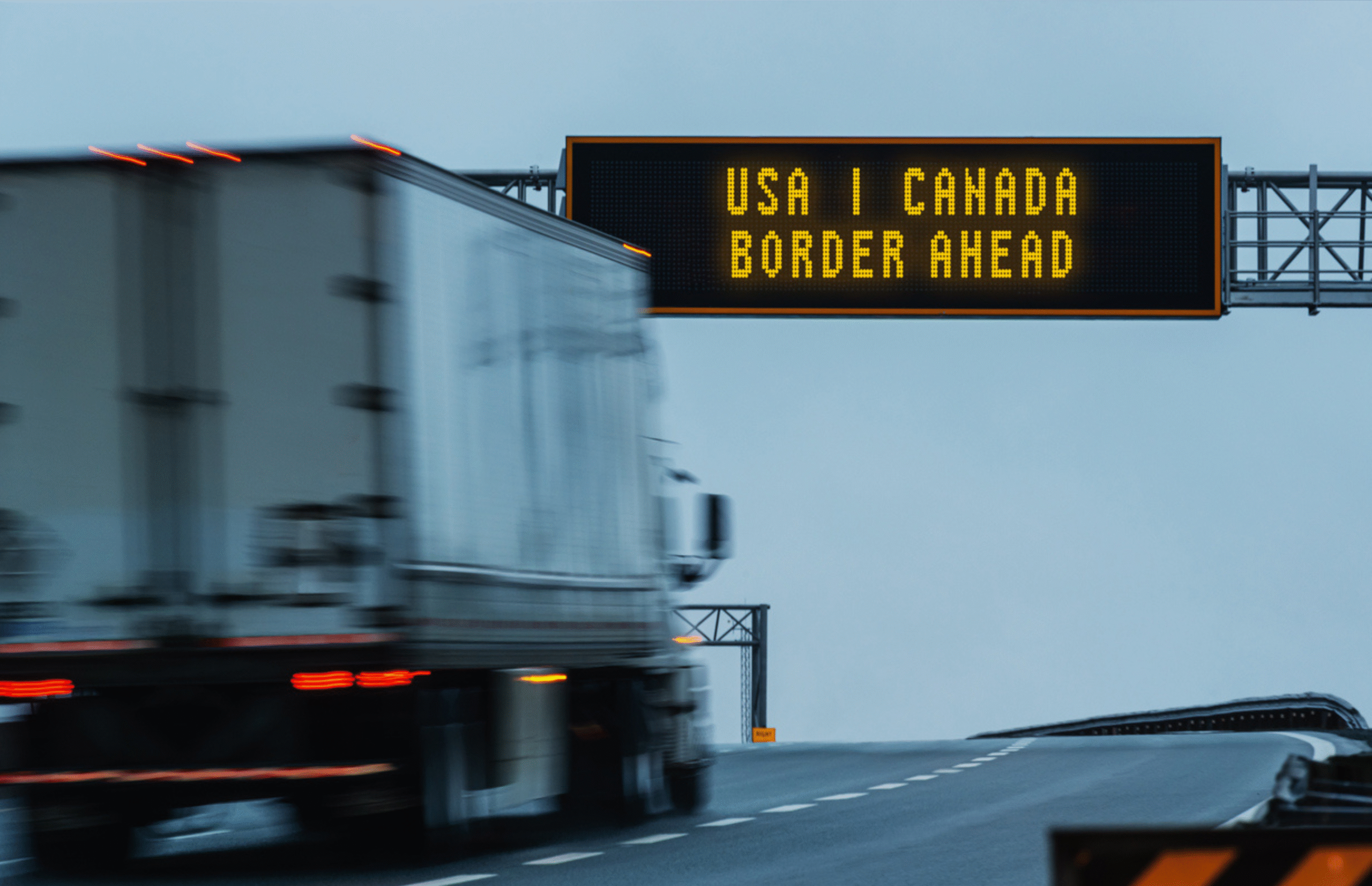
    If you’re moving bulk materials between Canada and the U.S., you already know it’s not just another run down the highway. Cross-border hauling is its own world. The paperwork, the timing, the inspections, the customs delays — none of it is complicated on its own, but it all stacks up fast if you’re not prepared.

    A lot of companies in Calgary, Edmonton, and even Vancouver rely on U.S. suppliers for ingredients or ship finished products across the border. And the truth is, bulk hauling across the U.S. line isn’t hard if everyone does their job properly. The issues usually come from small things that were overlooked.

    Paperwork Isn’t Fun, but It’s Everything

    Cross-border transport lives and dies on documentation. If something is missing, unclear, or doesn’t match the load, the truck isn’t going anywhere. Drivers get frustrated, customers get frustrated, and the whole day disappears waiting for clearance.

    From an operations perspective, the smoothest runs happen when
    • Bills of lading are accurate
    • Product descriptions match customs codes
    • Contact info is correct on both ends
    • Border officers don’t have to guess what’s inside the trailer

    It’s amazing how often delays happen because someone typed the wrong commodity description or missed a signature.

    Food-Grade and Dry Bulk Are Scrutinized More Closely

    If you’re hauling food-grade materials, powders, or anything that can be ingested, expect more questions. Border agents want to know where it came from, how it’s handled, and whether it meets standards on both sides.

    It’s not about making life difficult. They’re just doing their job. But if your trailer is clean, documentation is solid, and your hauler knows the routine, the process moves quickly.

    Dry bulk has its own challenges. Some products require additional declarations, and some are inspected more frequently. Experience matters here — there’s a big difference between a hauler who’s done a few cross-border runs and one who does it weekly.

    Timing Matters More Than People Realize

    Here’s something companies in Western Canada sometimes forget: border crossings don’t care about your schedule. You can’t just time everything perfectly and expect no delays.

    Morning rush slows things down
    Shift changes slow things down
    Weather slows everything down
    A random inspection slows everything down

    And this applies in both directions.

    If you’re sending loads from Calgary or Edmonton to the U.S., it’s worth building a little flexibility into your timelines. A good hauler will do that automatically because they’ve learned the hard way.

    Loads Need to Be Properly Secured and Documented

    Border officers don’t like surprises. They want a clean, sealed trailer, clear labels, and an honest description of the material. If anything is unclear, you get pulled into secondary inspection.

    For bulk materials, especially powders or granules, officers want to confirm there’s no contamination risk and that the load matches the documentation. If it’s food-grade, they’ll often ask for cleaning logs or sanitation proof.

    Most of the time, if your hauler keeps everything consistent, you breeze through.

    Drivers Make or Break the Process

    People underestimate how much driver experience matters at the border. A seasoned cross-border driver knows
    • Which crossings are faster
    • Which hours to avoid
    • How to talk to officers
    • What paperwork they’ll ask for
    • How to handle a secondary inspection
    • What not to say

    You can feel the difference immediately. A confident, organized driver makes the entire process smoother for everyone.

    Communication Between All Sides Is Key

    One thing that’s become more obvious the past few years is that cross-border hauling is a three-way relationship:
    The shipper, the receiver, and the carrier all need to communicate.

    If any of those three don’t pick up the phone or don’t send the right paperwork, everything slows down. And once a load gets stuck at the border, it becomes everyone’s problem.

    Companies in Calgary and Edmonton that move cross-border regularly usually have a good system in place. They know responding quickly saves hours.

    Cross-Border Isn’t Complicated — It Just Rewards Discipline

    At the end of the day, cross-border bulk hauling isn’t about reinventing the wheel. It’s about doing the basics properly every single time.

    If your hauler understands
    the paperwork,
    the timing,
    the equipment,
    and the expectations at the border,

    you barely think about the process. It just works.

    But if they’re inexperienced or disorganized, even an easy load turns into a long day.

  • Food-Grade Hauling Standards Every Manufacturer Should Know (Calgary + Edmonton)

    Food-Grade Hauling Standards Every Manufacturer Should Know (Calgary + Edmonton)

    If you work with food ingredients anywhere in Alberta, you already know the standards get tighter every year. Calgary and Edmonton especially have seen a big jump in expectations from processors, bakeries, supplement manufacturers, and even the smaller specialty ingredient suppliers. Everyone wants cleaner transport, and nobody wants to deal with the fallout from a contaminated load.

    From the hauling side, food-grade work isn’t complicated, but it does require consistency. The companies that run into trouble are usually the ones that treat food-grade the same way they treat everything else. It doesn’t work like that. The rules, equipment, and prep work are different, and there’s not much room for cutting corners.

    Clean Trailers Are Non-Negotiable

    There’s nothing fancy about this one. The trailer has to be cleaned before every load, and not the quick rinse some guys try to pull off. Food processors will test the product, and if anything shows up that shouldn’t be there, the blame lands on the hauler.

    A proper washout means
    • No leftover residue
    • No scents or chemical traces
    • No moisture sitting in corners
    • No dust from previous jobs

    If you’re hauling powders or ingredients, even a bit of leftover material can ruin an entire batch. Calgary especially has a lot of high-volume food manufacturing, and most of them don’t hesitate to reject anything questionable.

    Documentation Is Part of the Job

    Some haulers still treat paperwork as an afterthought, but food-grade clients won’t accept that anymore. They want wash tickets, product logs, and details about what was hauled before their load.

    In Edmonton, a lot of processors won’t even open their gate if you can’t show proof of the last cleanout. You can’t blame them either. One contaminated batch can cost them more than an entire week of transport fees.

    From the operations side, it’s just easier to keep everything documented. Saves a lot of back-and-forth phone calls later.

    Moisture Is the Quiet Enemy

    Anyone new to food-grade hauling usually focuses on cleanliness and forgets moisture. Moisture causes clumping, spoilage, and contamination, and once it gets inside the product, there isn’t much anyone can do.

    This is why sealed pneumatic systems have become the standard across Calgary and Edmonton. Alberta weather isn’t predictable — a sunny morning can turn into freezing rain by lunch. A sealed system protects the product no matter what’s happening outside.

    Cross-Contamination Happens Faster Than You Think

    Something most people don’t realize is how easily powders move. You open the wrong hatch at the wrong time and dust spreads. You don’t fully dry a tank and leftover particles break free during transport. It’s subtle, but it adds up.

    Food-grade hauling requires
    • Dedicated handling
    • Sealed equipment
    • Careful loading and unloading
    • Zero shortcuts in cleaning

    Manufacturers don’t forgive cross-contamination, and neither should the carrier.

    Customer Expectations Have Changed Across Alberta

    A decade ago, food-grade hauling was just “make sure the trailer is clean.” Now it’s a whole checklist: cleanliness, airflow systems, dry tanks, sealed fittings, sanitation logs, and consistent communication.

    Most Calgary and Edmonton clients expect haulers to
    • Show up on time
    • Follow their site-specific safety rules
    • Provide transparency on the trailer’s history
    • Handle loading professionally
    • Deliver without excuses

    These expectations aren’t going away. If anything, they’re getting stricter as more companies in Alberta expand into national and international distribution.

    Why Food-Grade Hauling Takes Experience

    On paper, it doesn’t look complicated. In reality, food-grade work is all about judgement. You need drivers who notice things, operations managers who understand how ingredients behave, and equipment that’s maintained properly.

    Most issues don’t come from major mistakes. They come from the small stuff: cracked gaskets, a bit of leftover moisture, someone forgetting to check a valve before loading. The more experienced the hauler, the fewer of those problems show up.

    Final Thoughts

    If you’re shipping food-grade materials between Calgary, Edmonton, or even Vancouver, the hauler you choose matters. You want someone who treats every load like it’s going directly into a production line — because it probably is.

    Good equipment helps. Good processes matter. But at the end of the day, food-grade hauling comes down to respect for the product. If your carrier doesn’t have that, nothing else really fixes it.

  • Calgary Dry Bulk Hauling Guide for 2025

    Calgary Dry Bulk Hauling Guide for 2025

    Calgary Dry Bulk Hauling Guide for 2025

    Calgary continues to grow as a logistics and industrial hub for Western Canada, making efficient bulk hauling a critical part of many operations. From agriculture and construction to food processing and manufacturing, companies across the city rely on safe, contamination-free, and on-time movement of dry bulk materials. In 2025, demand for reliable carriers is rising fast, and businesses are prioritizing transportation partners who offer speed, cleanliness, and specialized equipment.

    Whether you’re moving food-grade powders, industrial dry materials, or products that need sealed pneumatic systems, this guide breaks down everything Calgary companies need to know about bulk hauling this year.


    Why Dry Bulk Hauling Matters in Calgary

    Calgary’s location makes it a key distribution point for companies shipping across Alberta, BC, Saskatchewan, and the United States. With access to major highways, manufacturing plants, and agricultural customers, the city depends heavily on efficient bulk transport.

    Industries most reliant on dry bulk hauling include
    • Food processing and ingredient manufacturers
    • Agriculture and livestock feed suppliers
    • Construction and industrial production
    • Plastics, chemicals, and minerals
    • Energy sector operations

    Because these products often require sealed transport, moisture-proof systems, and strict cleanliness, bulk hauling isn’t something that can be handled by general freight carriers. Specialized equipment and trained operators are essential.


    Pneumatic Dry Bulking: Calgary’s Most Efficient Transport Method

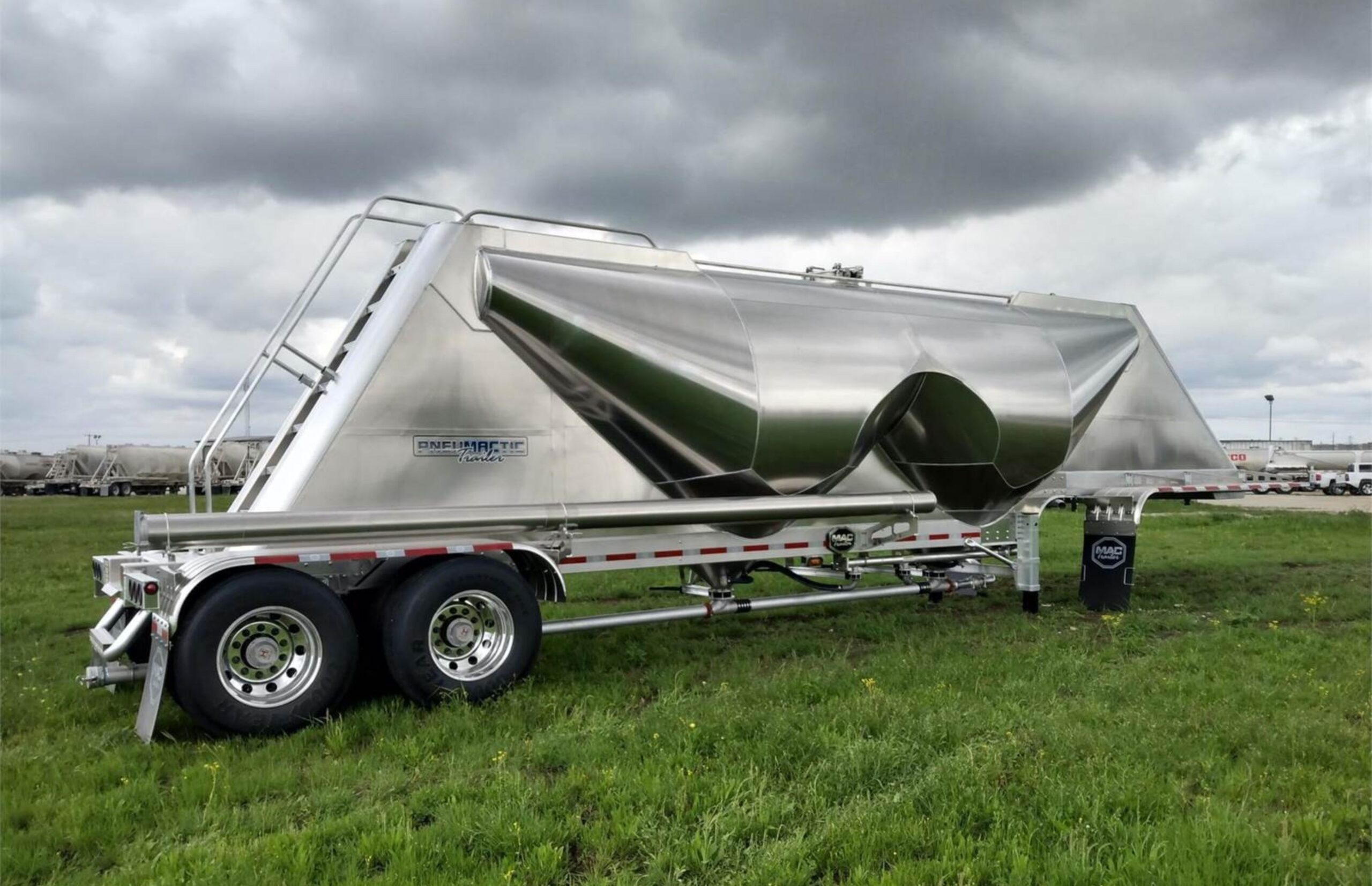
    Pneumatic trailers are now the preferred method for moving dry bulk across Calgary. These trailers load and unload using air pressure, creating faster, cleaner, and more controlled material handling.

    Key benefits of pneumatic bulk hauling

    Efficiency, reduces loading and unloading time and keeps production schedules tight
    Product safety, sealed systems prevent contamination and moisture exposure
    Versatility, supports a wide range of dry materials across several industries
    Cleanliness, ideal for food-grade, chemical, and high-purity materials

    In 2025, more companies are switching to pneumatic transport specifically to reduce waste, shorten downtime, and protect sensitive products during Calgary’s rapidly changing weather conditions.


    Food-Grade Bulk Hauling: Meeting Calgary’s Demand for Clean Transport

    Calgary’s food and ingredient sector continues to expand, meaning the need for food-grade bulk hauling is higher than ever. Transporting powders, grains, specialty ingredients, and food-grade additives requires strict sanitation and sealed systems.

    What makes food-grade hauling different?

    • Trailers are sanitized to industry standards before every load
    • Sealed equipment prevents contamination from dust, moisture, or debris
    • Dedicated handling reduces the risk of cross-product mixing
    • Drivers follow food-safe loading and unloading procedures

    Companies choosing a bulk carrier in Calgary should always confirm the provider has food-grade-approved pneumatic trailers and documented sanitation processes.


    Cross-Border Bulk Transport: Calgary to the U.S.

    Many Calgary businesses rely on U.S. suppliers or customers. Cross-border bulk hauling requires carriers who understand customs, paperwork, and border timelines.

    Calgary companies benefit from:

    Speed, efficient border processing keeps deliveries on schedule
    Safety, consistent standards for both food-grade and dry bulk materials
    Flexibility, multi-point deliveries on both sides of the border

    Choosing a carrier experienced in Canada-U.S. regulations ensures smoother operations and prevents costly delays at the border.


    Spreading Services for Calgary Agriculture and Construction

    Beyond bulk hauling, spreading services have become essential for agricultural, construction, and landscaping projects across Southern Alberta.

    What spreading services support

    • Fertilizer and soil amendments
    • Sand, gravel, and aggregate
    • Bulk material distribution for large property developments

    Proper equipment ensures even, accurate distribution and reduces material waste. Calgary projects benefit from contractors who bring both expertise and modern spreading technology.


    How to Choose a Bulk Hauling Company in Calgary

    With growing competition, here’s what Calgary businesses should look for in 2025:

    Specialized equipment, pneumatic trailers, food-grade systems, sealed units
    Experience, drivers trained in agricultural, food-grade, and industrial hauling
    Safety standards, documented sanitation protocols and maintenance practices
    On-time delivery, proven track record of reliable scheduling
    Cross-border capability, if U.S. routes are part of your supply chain
    Scalability, ability to handle both small loads and recurring contracts

    A reputable bulk carrier should be transparent about equipment, processes, and timelines.


    The Future of Bulk Hauling in Calgary

    As Calgary evolves into a stronger logistics hub, companies will continue relying heavily on high-efficiency transport systems. Trends for 2025 include:

    • Increased demand for food-grade pneumatic bulk hauling
    • More cross-border movement of ingredients and industrial products
    • Growth in spreading services for agricultural and commercial projects
    • Greater expectations for cleanliness, speed, and tracking

    Carriers who combine modern equipment with consistent reliability will stand out as Calgary’s preferred partners.

  • Why Pneumatic Trailers Are Becoming the Go-To Choice in Alberta

    Why Pneumatic Trailers Are Becoming the Go-To Choice in Alberta

    If you’ve been around bulk hauling long enough, you eventually hit that moment where you realize some equipment just makes life easier. Pneumatic trailers fall into that category. A few years back, they weren’t as common in Alberta as they are now, but once more companies started using them, it didn’t take long for everyone else to catch on.

    The thing with dry materials is they don’t forgive mistakes. You get moisture in there, or dust blowing around where it shouldn’t, and suddenly your whole load becomes a headache. Pneumatic systems solve a lot of that without making a big show of it. They just work.

    Speed That Actually Shows Up on Your Schedule

    One of the biggest reasons people keep switching over is the time savings. Loading and unloading takes a fraction of what it does with traditional setups. I’ve seen yards that used to struggle with turnaround suddenly move trucks through like it’s nothing. When you’re dealing with tight customer timelines here in Alberta — especially around Calgary and Edmonton where things move quickly — those extra minutes matter more than people think.

    Some companies don’t realize how much downtime they lose until they switch to pneumatic and suddenly everything runs smoother. It’s one of those “you don’t know until you know” things.

    Keeping Product Clean Without Overthinking It

    A lot of Alberta manufacturers and food processors have been asking for cleaner transport, especially with more ingredients moving between Edmonton, Calgary, and Vancouver. Pneumatic trailers do half the work for you since everything is sealed. No dust, no moisture, no cross-mixing from the last job if the trailer’s been properly cleaned — it just gives everyone more peace of mind.

    Food-grade clients appreciate it the most. They’re always the first to tell you if something smells off or shows a hint of contamination. Pneumatic systems help avoid that entirely.

    A Trailer That Doesn’t Care What the Weather Is Doing

    Anyone working in Alberta knows the weather can switch on you without notice. You can leave Calgary with blue skies, hit Red Deer with freezing rain, and arrive in Edmonton with blowing snow. A sealed trailer protects the load the whole way, and that matters when you’re hauling products that really don’t like moisture.

    Hopper bottoms and older setups still have their place, but for materials that can’t afford exposure, pneumatic just does the job better. And honestly, half the headaches you avoid are worth the switch alone.

    Versatile Enough for All Kinds of Industries

    People sometimes assume pneumatic transport is only for food-grade loads, but it’s actually more flexible than that. You’ll see it used in construction materials, plastics, powders, and even some specialty industrial products. If the material flows and can be moved by air, a pneumatic trailer probably handles it better than anything else.

    This versatility is what’s made it so popular across Alberta, especially with companies that don’t want three different trailer types sitting around when one can handle most of their demand.

    Why More Alberta Companies Are Making the Switch in 2025

    There’s a bit of a shift happening across the bulk hauling world here. Manufacturers are getting stricter about cleanliness. Customers expect faster delivery. Cross-border clients want consistency. And every year, more companies want fewer headaches from equipment.

    Pneumatic trailers don’t solve every problem, but they quietly solve a lot of the annoying ones — and that’s usually enough.

    If you’re moving anything sensitive, anything expensive, or anything that can’t afford contamination, you eventually end up using pneumatic. It’s just where the industry is heading, and there’s a good reason for it.